
Relaxation is fundamental to well-being but too often overlooked
A key benefit of all of the therapies I practice is that they aid relaxation
Relaxation is a fundamental and often overlooked requirement for everyone’s well-being, particularly those who lead stressful lives. A session with me takes you out of your usual environment and allows you an hour or so that is entirely focused on you.
Of course there are good kinds of stress that challenge us in positive ways, causing us to grow and develop. But there is also ‘distress’, or negative kinds of stress, that wear us down.
According to the NHS Confederation: “Whilst stress is not an illness, we need to recognise it and handle it carefully because when it compounds over long periods of time, it can lead to illness.”
Stress manifests itself in many ways, symptoms include:
MENTAL
- indecision
- difficulty concentrating
- muddled thinking
- loss of memory
- feelings of inadequacy and low self-esteem
EMOTIONAL
- irritability or anger
- anxiety
- numbness
- hypersensitivity
- feeling drained/listless
PHYSICAL
- tiredness
- indigestion/nausea/IBS
- headaches
- muscle tension (especially neck and shoulder)
- episodes of palpitations
- sweating or fainting
- infertility
BEHAVIOURAL
- insomnia
- changes in eating habits
- increased smoking or drinking alcohol
- avoiding friends or family
- sexual problems including lack of interest or unsafe sex
In extreme cases, stress can contribute to more serious conditions such as heart disease, which is why it’s so important to tackle it before it takes too much of a hold.
Here are some things you can do to take control of stress:
The first step is to accept and acknowledge that you are feeling stressed.
Only then will you be able to start alleviating it
Make time to look after yourself.
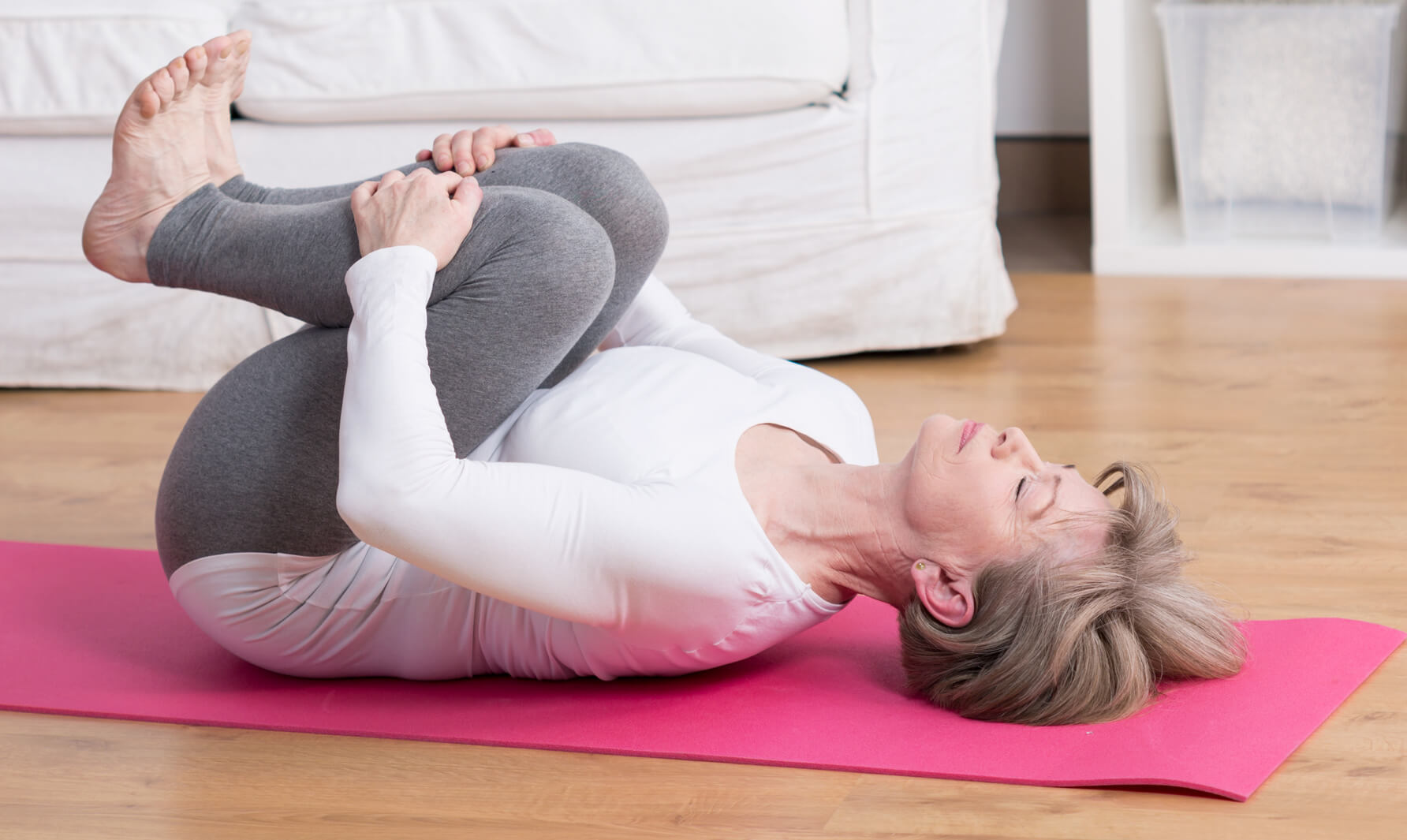
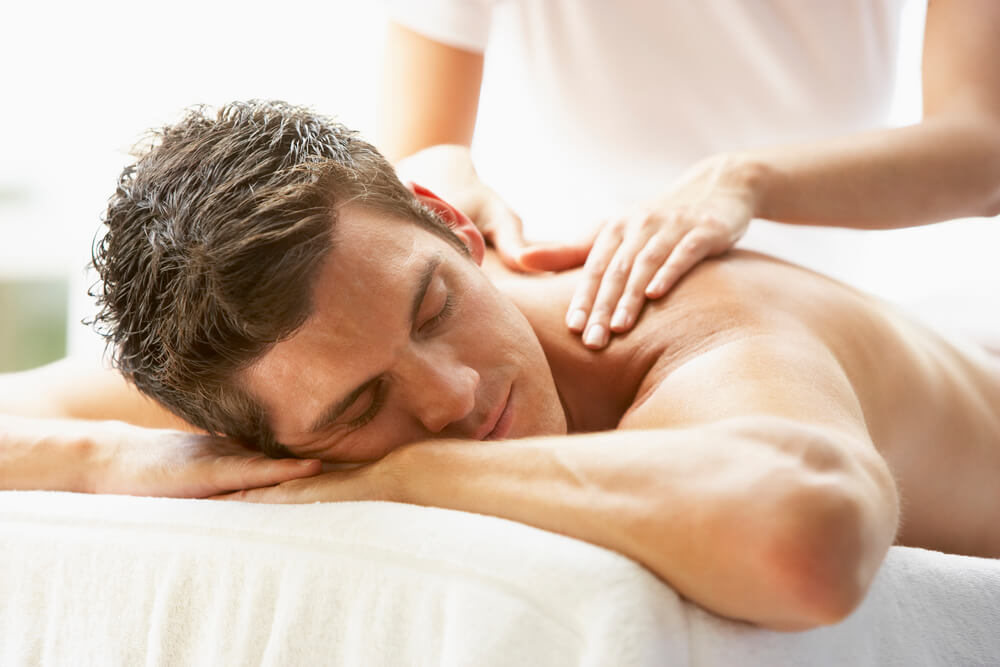
If you wait until you find the time to do this it will never happen – you have to make time. Taking time out every week to do something just for you is fundamental. This could be a yoga or pilates class, or a reflexology treatment or massage – or even both!
Maintain a healthy diet.
Key words here are organic, water, fresh, balanced and 5 portions. Only drink caffeine and alcohol in moderation and try to avoid anything that will upset your blood sugar levels, sugary snacks are the worst offenders. Also, take time out to eat your food; don’t eat sitting at your desk whilst talking on the phone and typing an email!
Incorporate exercise into your weekly routine
Even if it’s only a 20 minute walk every day. You don’t need to join a gym to get exercise.
Balance your yin and yang.
For every active thing you do, do something passive.
Learn to relax.
Find a technique that suits you – there are lots of books, apps and CDs that can help. Some people say that they can’t relax or they can’t meditate, but like everything else it takes practice. The more stressed you are, the harder you will find it – but please don’t let that put you off, it’s even more important for you!
If you have trouble sleeping
have a hot bath before bed. Sprinkle a few drops of lavender oil in the water to really help you unwind (but not too many as this can over-stimulate!). This will achieve more than many so called aromatherapy bath preparations, some of which have not been near an essential oil.
Take time out to breathe.
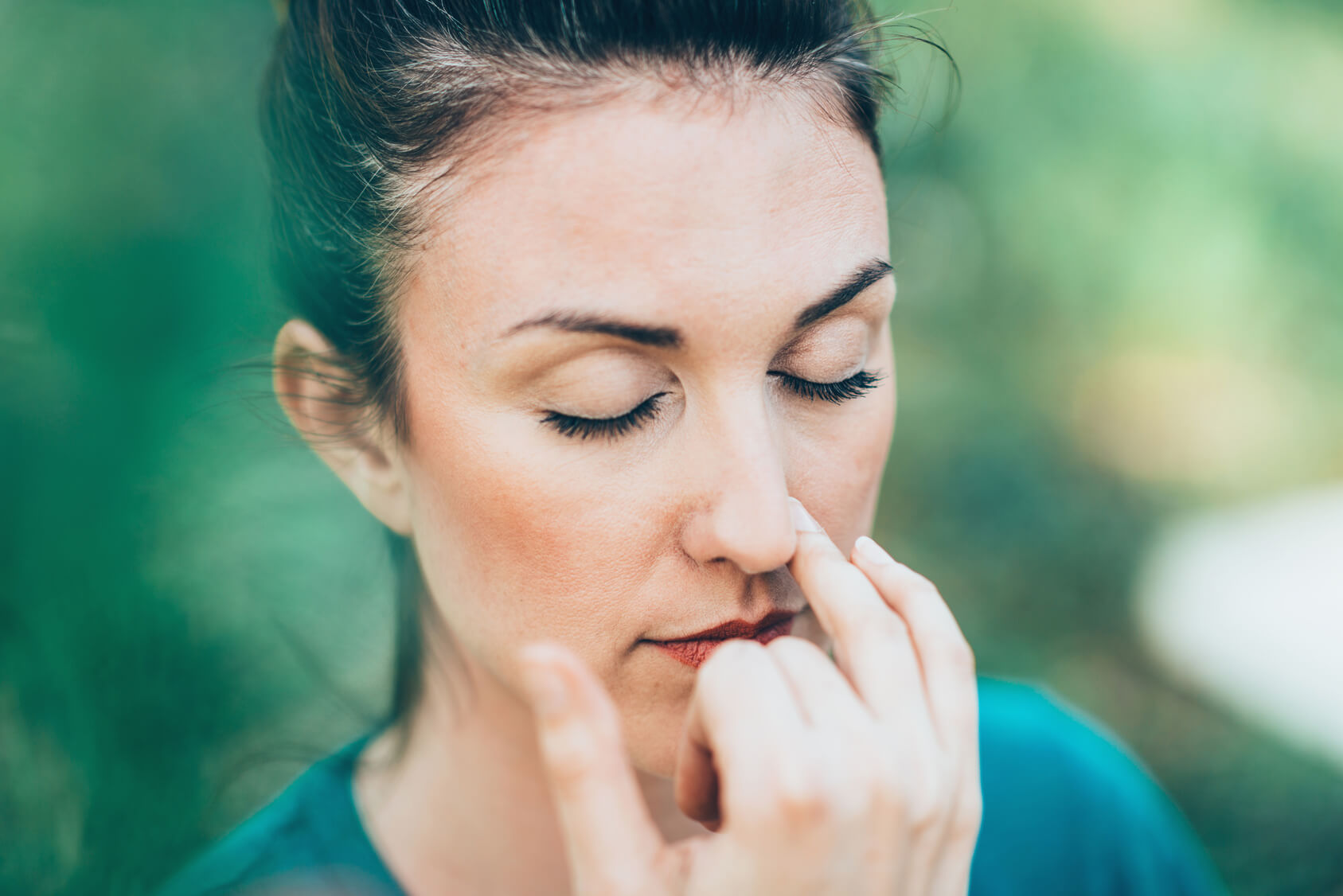
You can do this sitting at your desk at work or wherever you are. Just take 5 minutes to focus on breathing deeply, right down to below your belly button. With every in-breath picture breathing in peace and tranquillity and with every out-breath, imagine releasing tension and stress.
Note: this article was written in good faith and based on my training; guidelines from my professional body; NHS guidance; personal experience and research. I am not a nutritionist or doctor. Professional advice should be sought accordingly.